Remote oil fields
Recover middle distillate near production where imported fuel is costly or logistically unreliable.
 EngineeringOil & gas technology
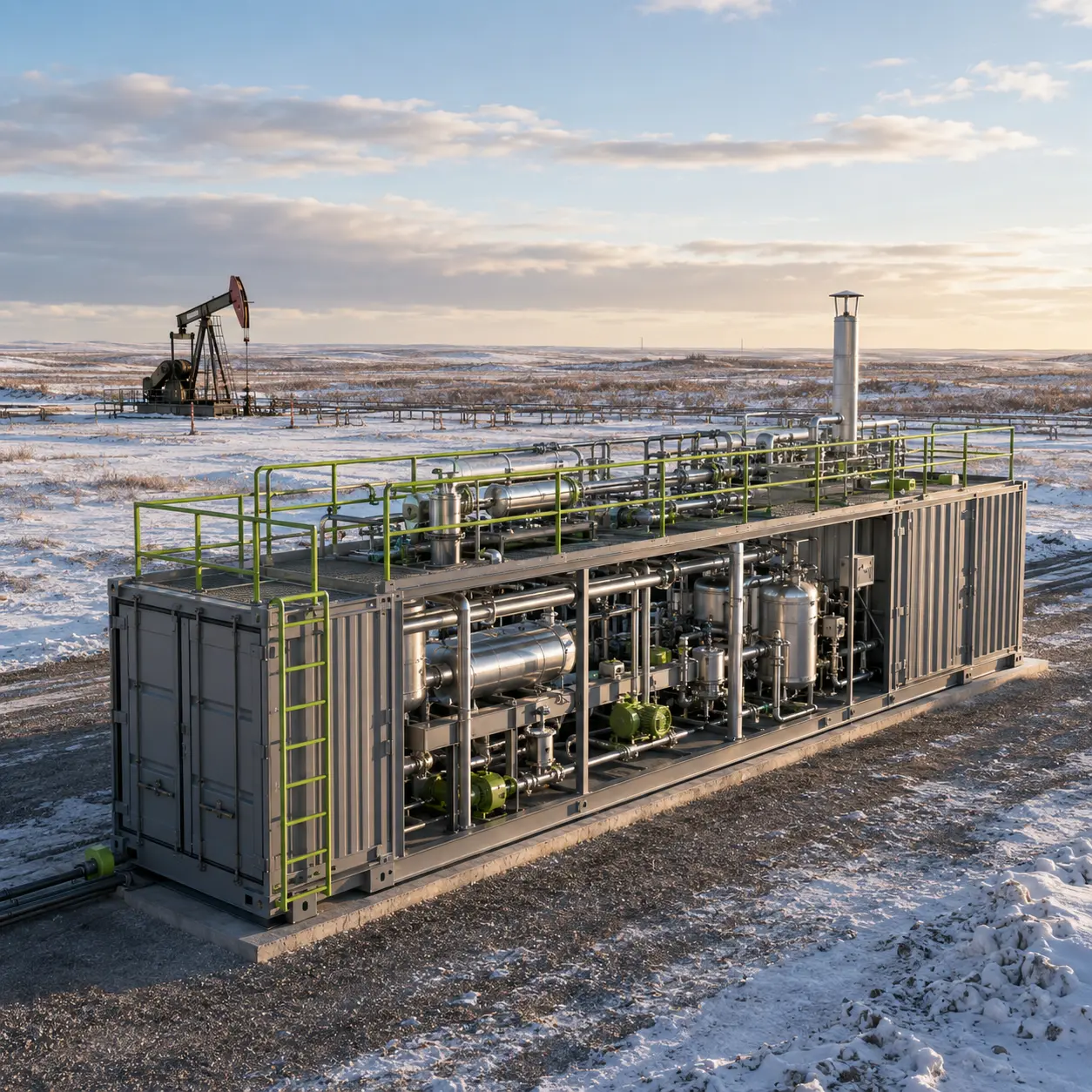
Mobile primary crude processing
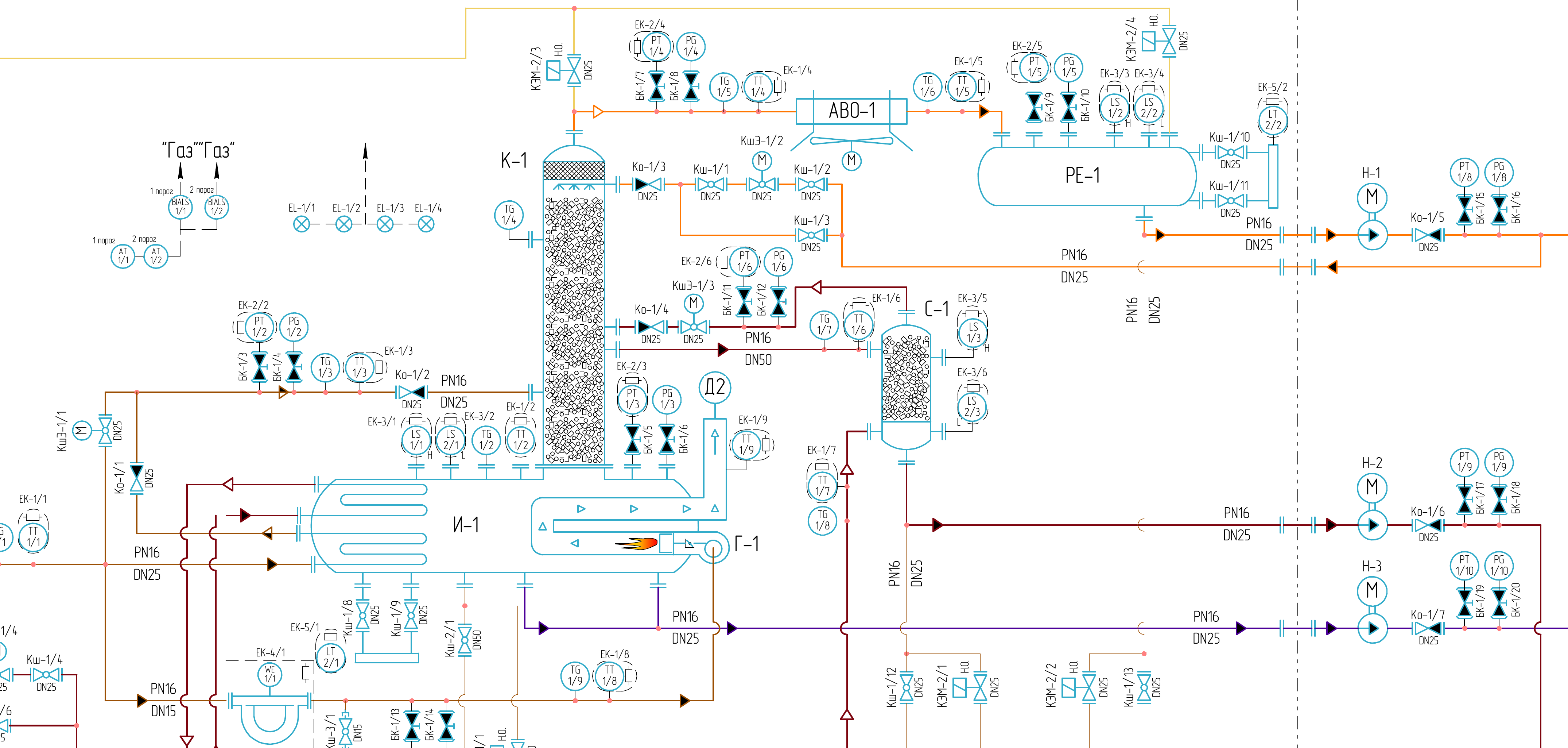
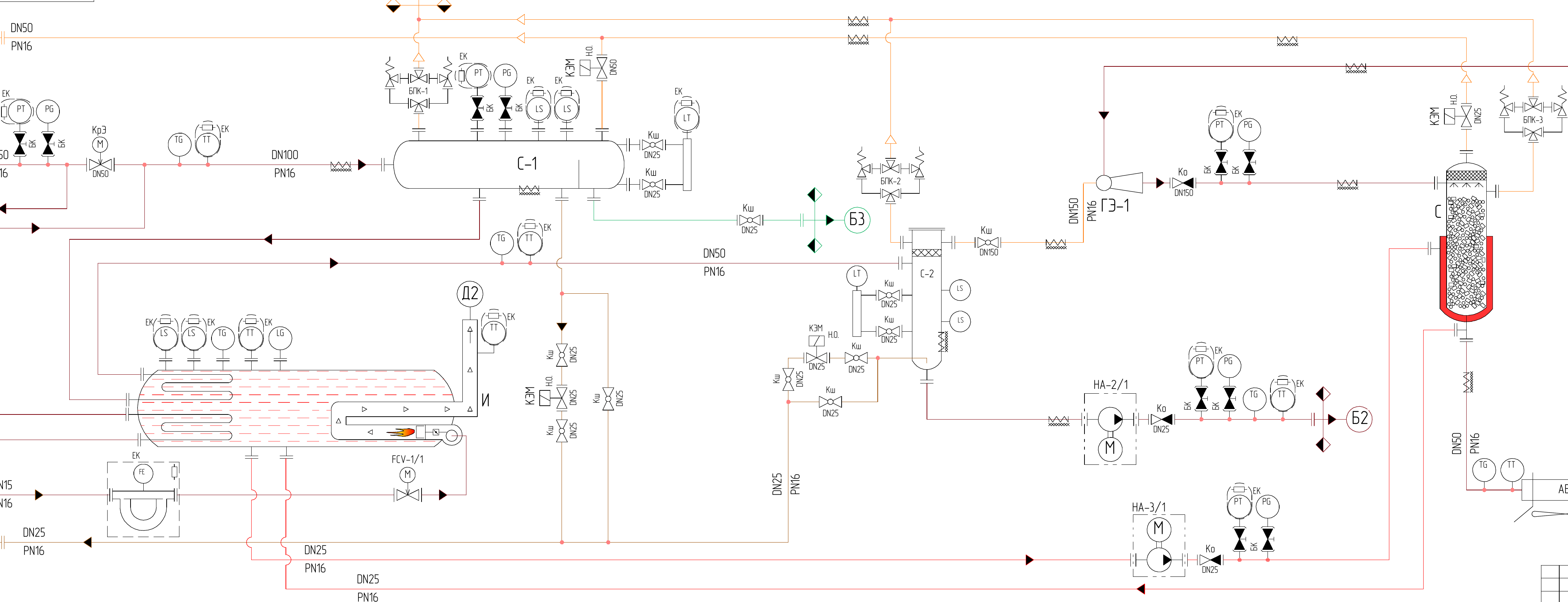
MUPSD is a range of continuous crude-distillation units rated up to 24–160 m³/d. Atmospheric or vacuum processing is selected from feed testing and diesel-range product requirements.
Process objective
The term mini refinery covers facilities with very different objectives. MUPSD is engineered for one practical task: recover middle distillate from crude near the production site and route the remaining fractions to agreed process streams.
Producing a specified diesel grade requires more than distillation alone. A representative sample is characterized before process selection to establish the material balance, properties achievable by fractionation and any additional treatment required.
Applications
Project economics depend on available feed, imported-fuel cost, site demand and routing of return streams.
Recover middle distillate near production where imported fuel is costly or logistically unreliable.
Start processing before permanent infrastructure is built, with the option to relocate the facility later.
Create a local distillate stream for equipment and power generation once the required product properties are confirmed.
Deploy a temporary process route during maintenance, reconstruction or constraints in external fuel supply.
Model range
Capacity is stated on inlet feed. Final arrangement and target-cut yield are established by engineering.
Product quality
This distinction is verified before process guarantees are issued.
Project sequence
Representative crude sample, flow range, operating cases, climate, utilities and required product properties.
Atmospheric assay to 300 °C and, where required, vacuum assay of the residue with target-cut analysis.
Definition of cut points, distillate yield, heat duties, equipment scope and return streams.
Detailed engineering, fabrication, factory assembly and shipment-readiness inspection.
Installation supervision, commissioning, operating-point adjustment and verification of the actual product.
Buyer questions
The term is used here for MUPSD: a mobile continuous primary crude-distillation unit for middle-distillate recovery, not a full refinery producing a complete finished-product slate.
MUPSD recovers a middle-distillate, or diesel-range, fraction. Suitability for a particular diesel grade depends on feed properties, selected cut points and laboratory verification.
MUPSD targets middle-distillate recovery in a mobile arrangement. Light and heavy fractions are routed to agreed streams, so the unit does not produce the full product slate of a conventional refinery.
The line includes MUPSD-24N, MUPSD-40N, MUPSD-80N and MUPSD-160N rated up to 24, 40, 80 and 160 m³ of feed per day.
A vacuum stage is evaluated when additional target fraction can be recovered from the heavy residue or when product properties cannot be achieved at acceptable process temperature. Feed assay determines the choice.
Fractionation is not hydrotreating. Sulfur depends on the crude and the distribution of sulfur compounds across boiling ranges, so it must be verified in the recovered distillate.
Initial assessment
Send the available crude analysis and completed questionnaire. If the data is insufficient, we will define a representative-sample test programme.
Email the feed analysis and questionnaire