
- Modules
- 1 × 40 ft
- Length
- 10 m
- Weight
- up to 20 t
Mobile facility
MUPSDMobile Middle-Distillate Production Unit
A continuous mobile unit for recovering middle distillate from crude oil or hydrocarbon feed near the production site.
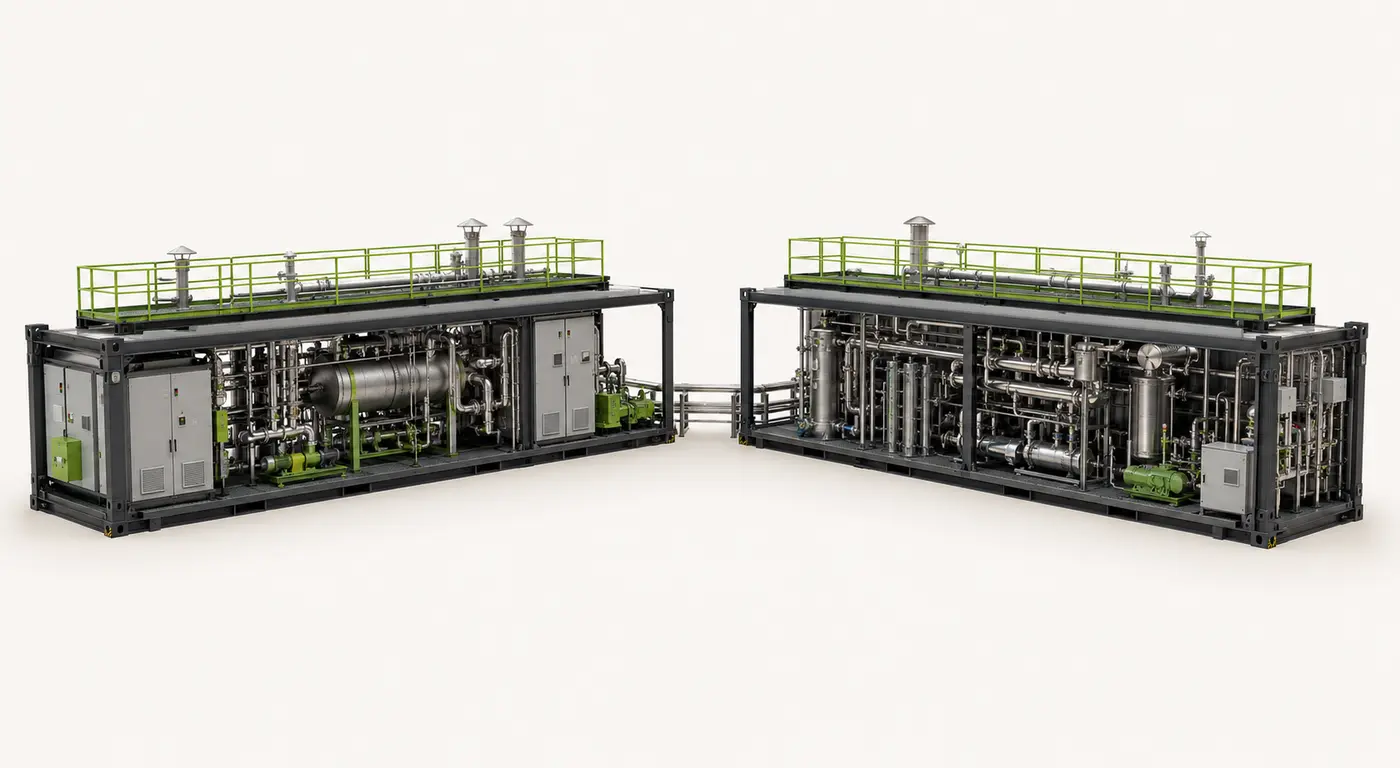
Purpose
Produce middle distillate at remote assets and reduce long-distance fuel logistics. Product quality is determined after representative feed testing.
Process arrangement
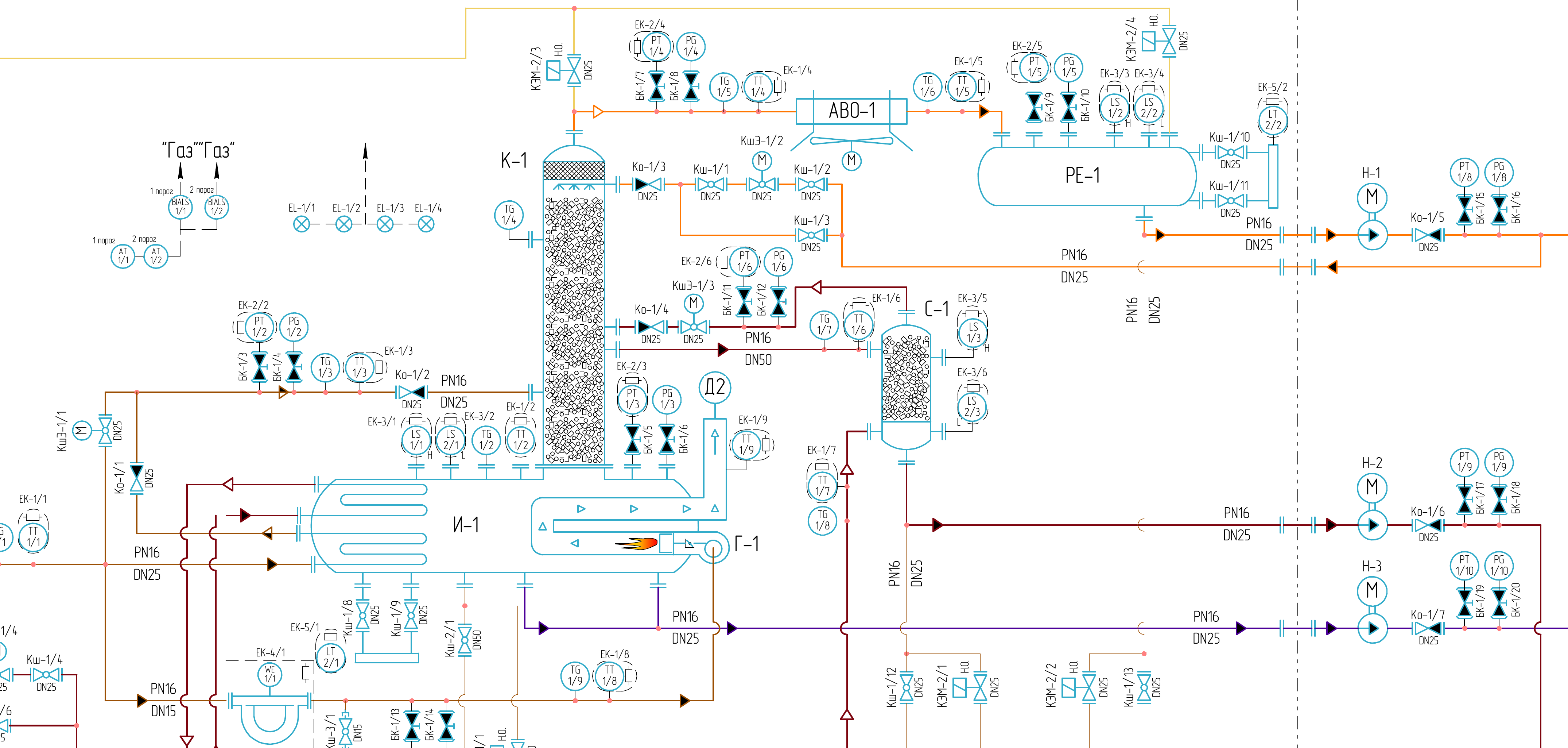
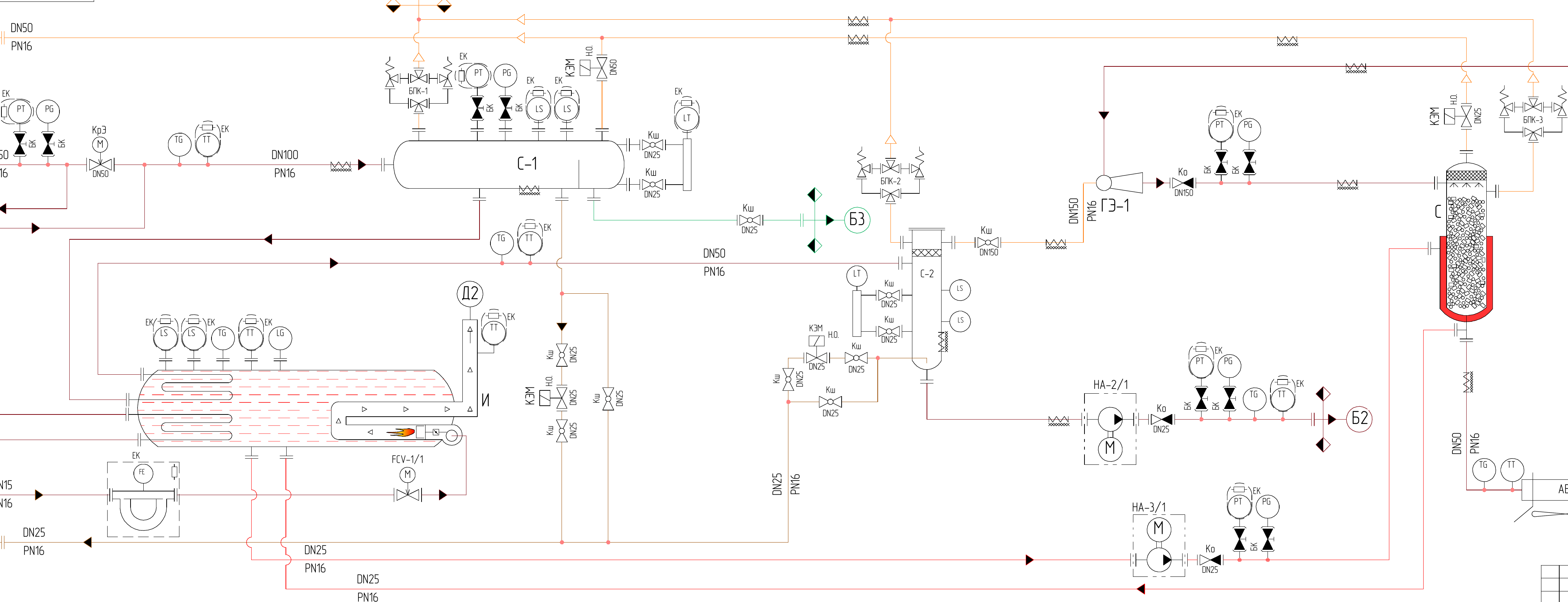
Simplified process diagram
The diagram identifies the principal process duties, equipment connections and product handover points. Final scope, redundancy and battery limits are established from project data.
Oil / emulsionDistillate
Configuration A uses atmospheric separation. Configuration B adds a vacuum stage. Middle-distillate cut points are established from crude-oil testing.
Process objective
MUPSD within a mobile mini-refinery configuration
The unit performs continuous primary crude processing to recover a middle-distillate stream. Diesel-range cut points, yield and properties are established from a representative feed assay and material balance.
The mobile mini-refinery page explains the applications, process limits and project-evaluation sequence in detail.
When to use a mobile mini refineryEngineering basis
Technical parameters
Final ratings, materials and supply scope are established from project-specific operating data.
| MUPSD-24N | up to 24 m³/d, 1 module |
|---|---|
| MUPSD-40N | up to 40 m³/d, 1 module |
| MUPSD-80N | up to 80 m³/d, 2 modules |
| MUPSD-160N | up to 160 m³/d, 3 modules |
| Process configurations | A — atmospheric; B — vacuum |
Model range
MUPSD configurations
Configuration A uses an atmospheric process; configuration B adds a vacuum stage. Selection follows feed testing.
- Modules
- 1 × 40 ft
- Length
- 12 m
- Weight
- up to 28 t
- Modules
- 2 × 40 ft
- Length
- two 12 m modules
- Weight
- up to 25 t each
- Modules
- 3 × 40 ft
- Length
- three 12 m modules
- Weight
- up to 30 t each
Product quality
Limits of product-property control
MUPSD separates boiling ranges but does not provide hydrotreating. Process guarantees follow feed characterization.
Properties influenced by operating conditions
- boiling range and product cut points
- density and kinematic viscosity
- cetane number within the feed potential
- flash point
- cold filter plugging point
- ash and carbon residue
What cannot be guaranteed without testing
- total and mercaptan sulfur
- acidity and alkalinity
- iodine value
- mechanical contamination
- copper-strip corrosion
- compliance with a specific emissions grade
Process functions
Principal process duties
- Feed preparation and controlled feeding
- Atmospheric or vacuum separation according to the selected process
- Product-stream condensation and separation
- Middle-distillate withdrawal and routing of remaining fractions
- Temperature, pressure, level and material-balance control
Typical scope
Main equipment
- 01
Feed preparation and pumping module
- 02
Thermal and fractionation module
- 03
Product condensation and separation module
- 04
Storage or connection to customer tanks
- 05
Instrumentation, emergency shutdown and process control
- 06
Power distribution, heat tracing, lighting and earthing
- 07
Maintenance platforms, shelters and transport provisions as required
Questionnaire
Data required for engineering
Worked examples and vessel-volume fields are retained. Use them as guidance or provide parameters from an existing design.
- 01
Feed distillation curve, including atmospheric distillation up to 300 °C
- 02
Density, viscosity, sulfur, water, salt, resin and solids content
- 03
Required feed throughput
- 04
Target middle-distillate properties and available polishing methods
- 05
Available fuel, electrical power, heating media and site constraints
Resources
Technical documents
Proposal request
Operating data for a technical and commercial proposal
Attach the completed questionnaire or provide the principal operating data below. Equipment scope, design ratings and battery limits follow engineering review.
Email the questionnaire, specification and attachmentsFacility composition
Principal equipment and process packages
The list reflects a typical functional structure. Process stages, redundancy and battery limits are established by engineering calculations.
TS / VS / GS / KS
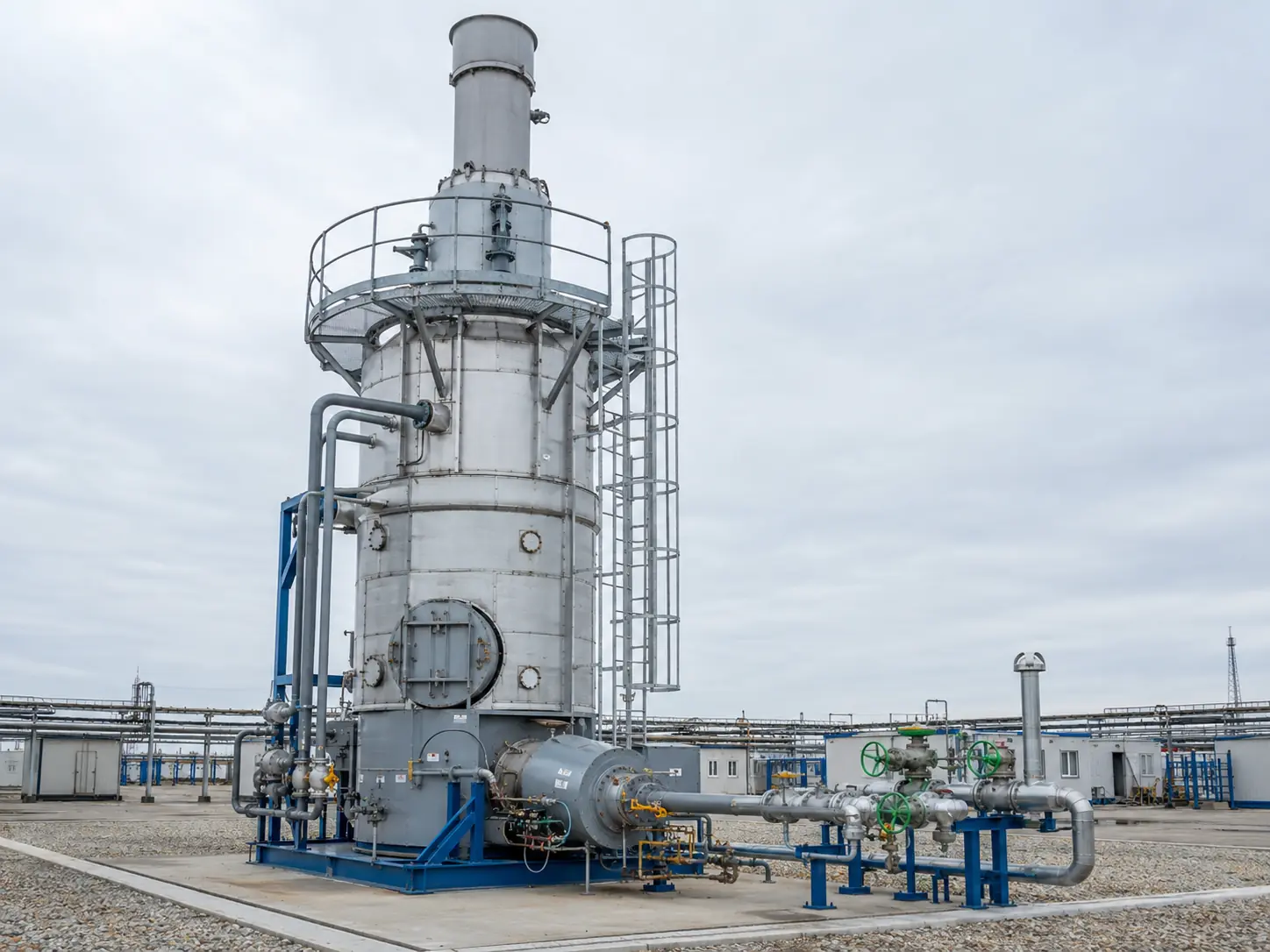
Process Furnaces
Process furnaces in various configurations for direct heating of process streams.
View details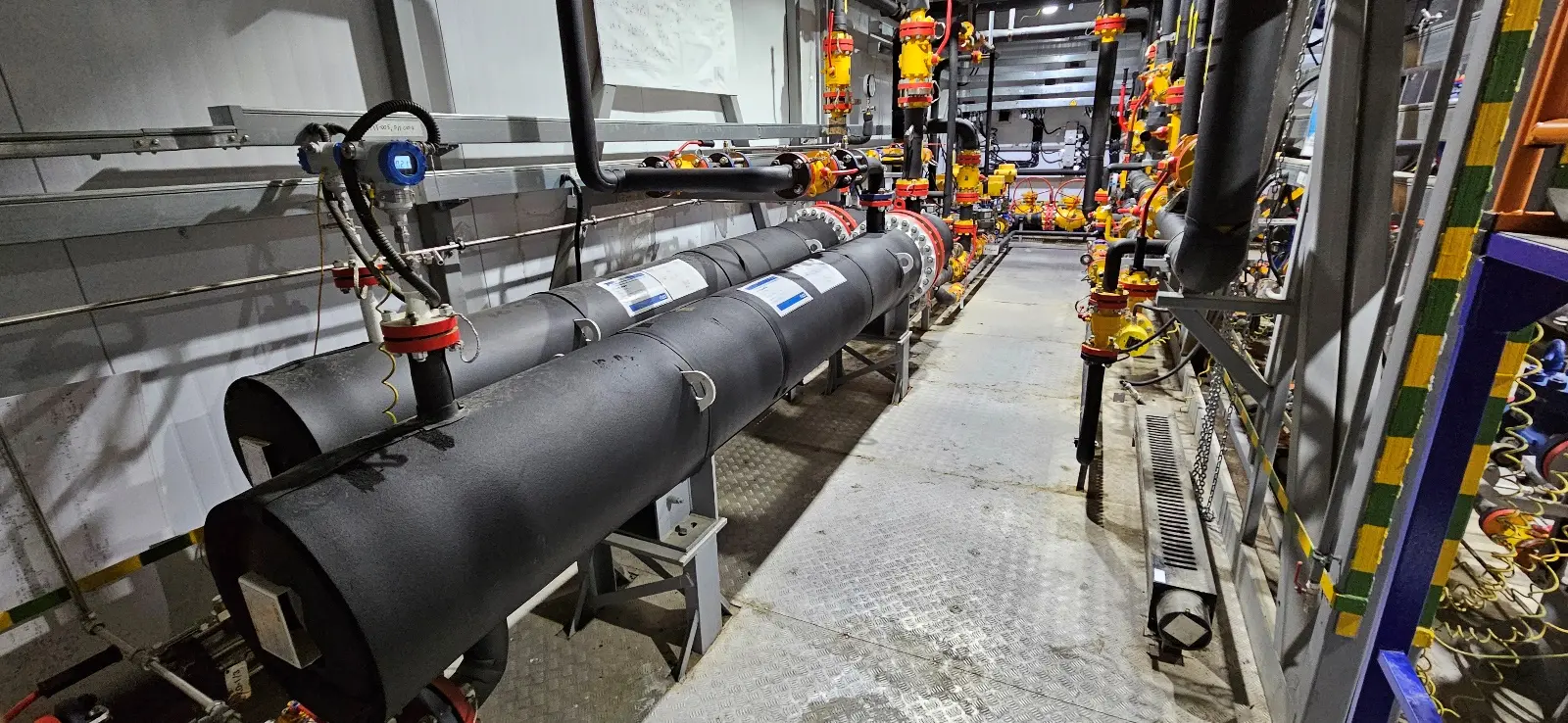
HX
Heat Exchangers
Shell-and-tube, sectional and other heat exchangers for process services.
View details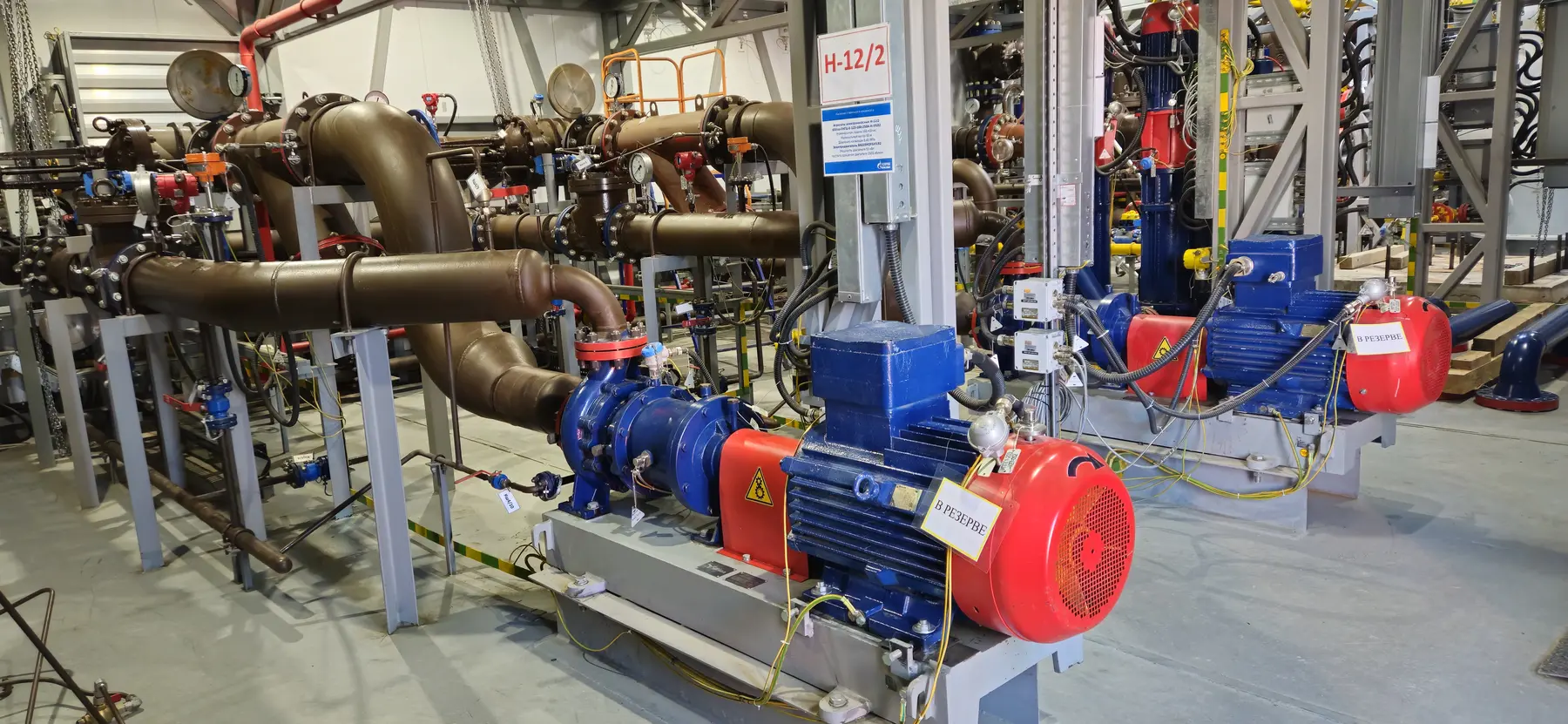
BN / GNU / PS
Pumping Stations
Packaged pumping stations for oil, condensate, water, multiphase streams, wastewater and special fluids.
View details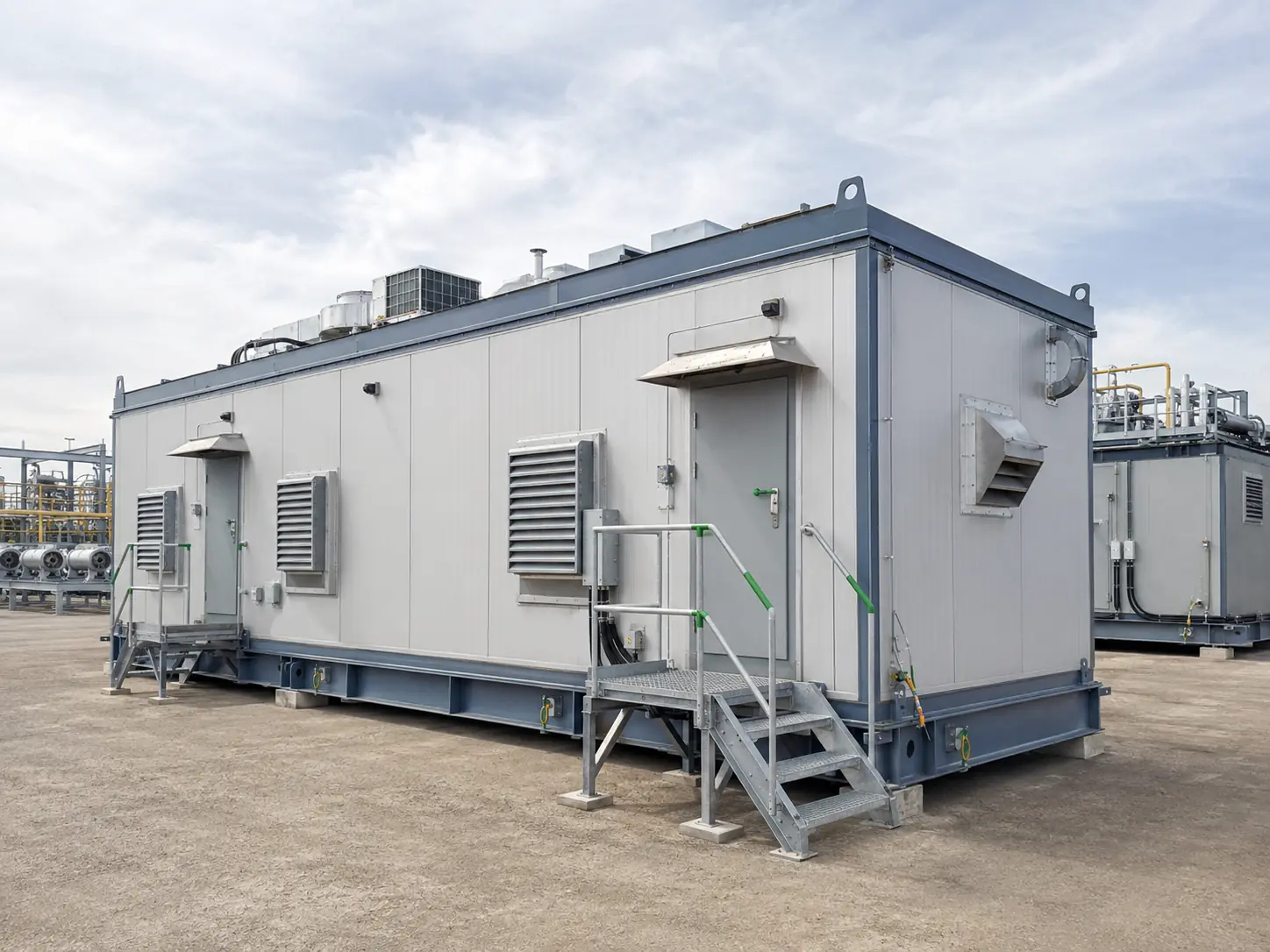
BMZ
Modular Buildings
Transportable buildings for control rooms, electrical equipment, laboratories and process systems.
View details